Skip to content
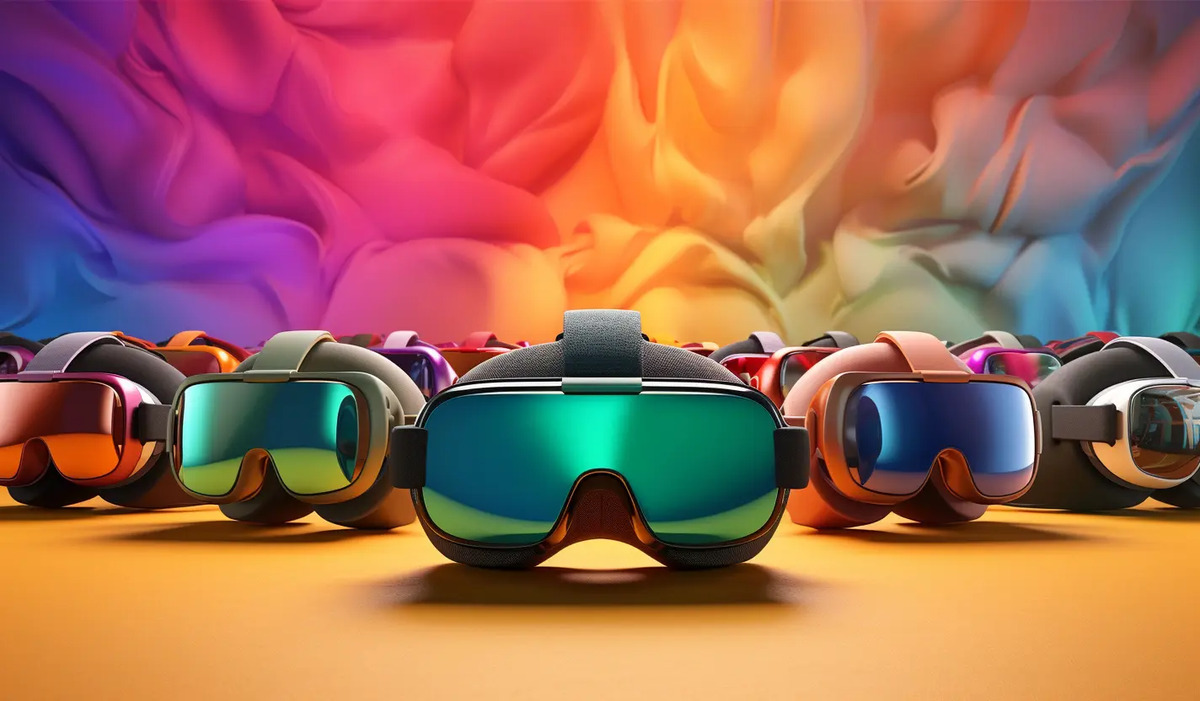
Apple has long been at the forefront of technological innovation, and its ventures into augmented reality (AR) have been no exception. Augmented reality combines virtual elements with the real world, offering users immersive and interactive experiences. In this article, we explore Apple’s ventures in AR, from its software frameworks to potential hardware developments, and discuss the impact these endeavors may have on industries ranging from gaming to education.
1. ARKit: Empowering Developers
Apple introduced ARKit, a software framework, to enable developers to create AR experiences for iOS devices. ARKit provides a range of tools and capabilities, such as motion tracking, scene understanding, and object occlusion, empowering developers to build sophisticated AR apps. This move sparked a surge in AR app development, revolutionizing the way users interact with their iPhones and iPads.
2. Apple’s AR Glasses: A Glimpse into the Future
Rumors and reports have circulated for years about Apple’s development of its own augmented reality glasses. These wearable devices, if realized, could overlay digital information onto the real world, creating a seamless and immersive AR experience. While specific details remain shrouded in secrecy, the potential for Apple AR glasses has garnered significant attention and anticipation within the tech community.
3. Gaming and Entertainment Experiences
Apple’s ventures into AR have tremendous implications for the gaming and entertainment industries. With ARKit, developers have created interactive and engaging AR games, allowing users to bring virtual worlds into their physical surroundings. Additionally, Apple’s AR efforts have enhanced entertainment experiences, such as interactive museum exhibits, live events, and immersive storytelling, transforming the way users consume content.
4. AR for Retail and E-commerce
Apple’s AR initiatives have the potential to revolutionize the retail and e-commerce sectors. With ARKit, developers have built apps that allow users to virtually try on clothing, visualize furniture in their homes, or even see how a new car might look parked in their driveway. By bridging the gap between digital and physical experiences, Apple is reshaping the way consumers shop and make purchasing decisions.
5. AR in Education and Learning
Apple’s AR ventures extend to the education sector, where ARKit has enabled educators to create interactive and immersive learning experiences. From virtual field trips to anatomical visualizations, AR has the potential to make complex subjects more accessible and engaging. Apple’s commitment to education and its integration of AR technology can revolutionize the way students learn and retain information.
6. Enterprise and Productivity Applications
AR’s potential in enterprise and productivity applications is vast. From architectural visualization and product design to remote collaboration and training simulations, AR can enhance productivity and efficiency in various industries. Apple’s investments in AR signal its recognition of the technology’s potential impact on the business world, paving the way for transformative enterprise applications.
Conclusion
Apple’s ventures into augmented reality represent its commitment to pushing technological boundaries and reimagining user experiences. Through the development of ARKit, exploration of AR glasses, and applications across various industries, Apple is driving the adoption of augmented reality on a global scale. With potential implications for gaming, retail, education, and enterprise, Apple’s foray into AR holds immense promise for reshaping how we interact with the digital and physical worlds. As Apple continues to innovate, the future of augmented reality looks increasingly immersive and transformative.
